




8 hiking trails to get to know the province of Malaga


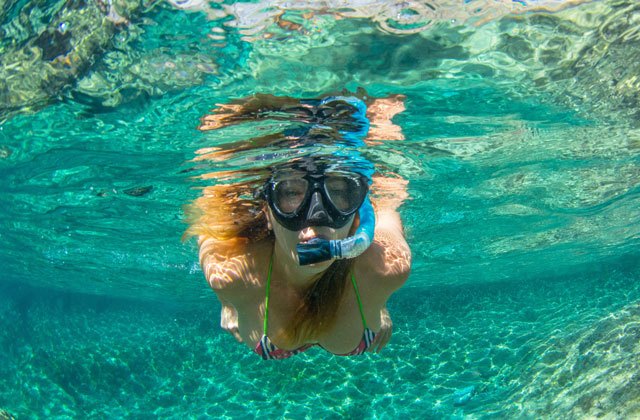
If you feel like a fish in water, it is time to discover some of the best places for scuba diving, freediving and snorkelling in Andalucía. From Cabo de Gata to Tarifa, with stops in Nerja, La Herradura, Marbella, Conil and El Rompido, the Andalusian coastline hides seabeds of outstanding natural and cultural value.
Before taking the plunge, remember that each activity depends on sea conditions, visibility, your level of experience and the regulations governing each area. For a try dive or a guided dive, always choose qualified professionals and authorised dive centres.
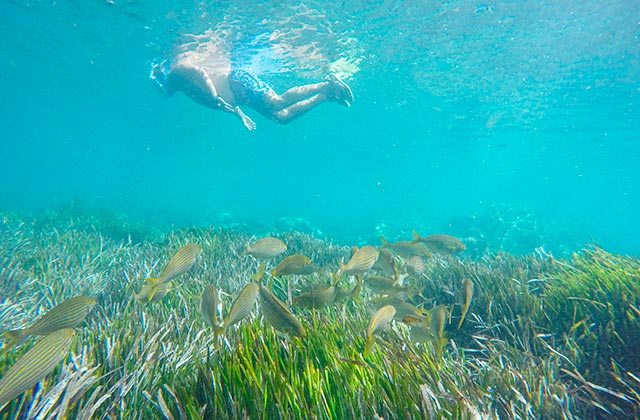
Cabo de Gata-Níjar Natural Park, also recognised as a Biosphere Reserve and UNESCO Global Geopark, was the first protected maritime-terrestrial area in Andalucía. Its volcanic seabed, cliffs and Posidonia seagrass meadows provide an exceptional setting for scuba diving and snorkelling.
Los Escullos, La Isleta del Moro, San José, Playa de los Muertos and the waters around Isla de San Andrés, just off Carboneras, are among the best-known locations along this coastline. As much of the area is protected, certain activities and dives are regulated. Always check the current conditions and use an authorised dive centre.
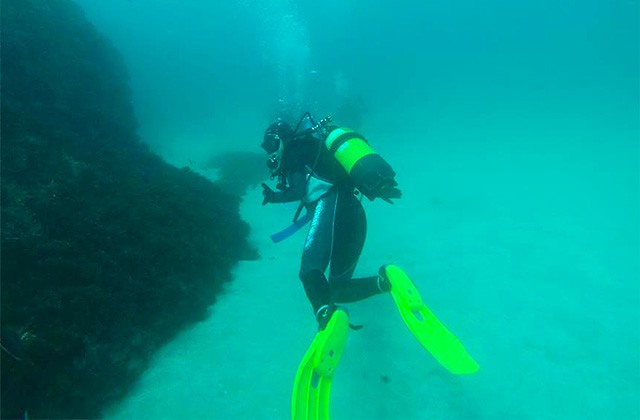
Buceo Conil – credito: facebook.com/OceanAddictsBuceo/
The coastline stretching from Conil to El Palmar, in Vejer de la Frontera, and Cabo Trafalgar, near Los Caños de Meca and Barbate, combines beaches, cliffs and seabeds of both natural and archaeological interest. Shipwrecks and other remains linked to centuries of maritime activity have been documented in the waters off Cádiz, including wrecks associated with the Battle of Trafalgar in 1805.
Currents and the easterly Levante and westerly Poniente winds can significantly change sea conditions. Dives should therefore be organised with professionals who know the area well. Archaeological remains must never be touched, moved or removed.
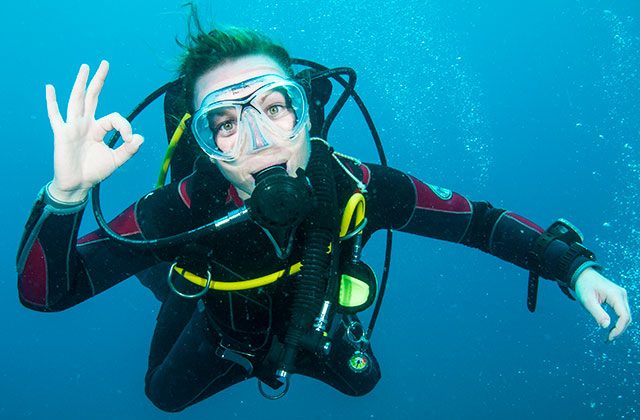
The coastline around Torrox and Nerja offers opportunities for both snorkelling and diving, either from the shore or by boat. Calaceite, in Torrox, and Burriana, in Nerja, are two of the best-known locations, although visibility, swell and difficulty vary depending on the chosen site and the conditions on the day.
The remains of the steamship Delfín also lie off the coast of Torrox. Popularly known as the barco del arroz, or “rice ship”, this wreck sank in 1937 and has become one of the most distinctive underwater attractions on the eastern Costa del Sol. It should only be visited with professionals, and nothing should be touched or removed.
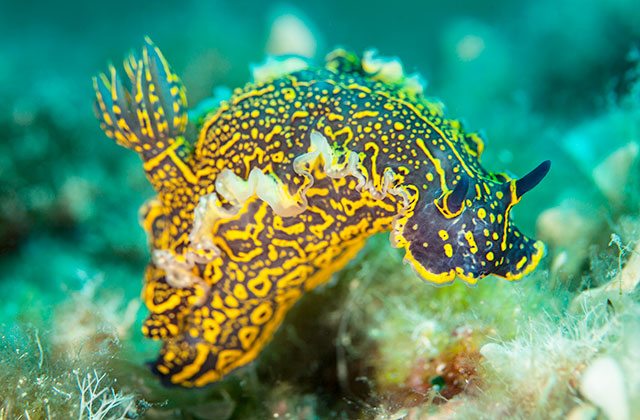
The Nature Reserve Cliffs of Maro-Cerro Gordo Natural Area protects a stretch of coastline between Nerja and Almuñécar, with cliffs, caves, rocky seabeds and valuable marine ecosystems.
Diving is subject to restrictions. Neither scuba diving nor freediving is permitted within the Cerro Gordo Reserve Area or the restricted area around Playa del Molino de Papel. Prior authorisation is required for scuba diving outside these zones.
Removing natural resources or remains, damaging rocks and disturbing wildlife or vegetation are also prohibited. During the summer, access to El Cañuelo and Cantarriján by private vehicle is usually restricted, with shuttle services operating instead. Check the official notice for the relevant season before travelling.
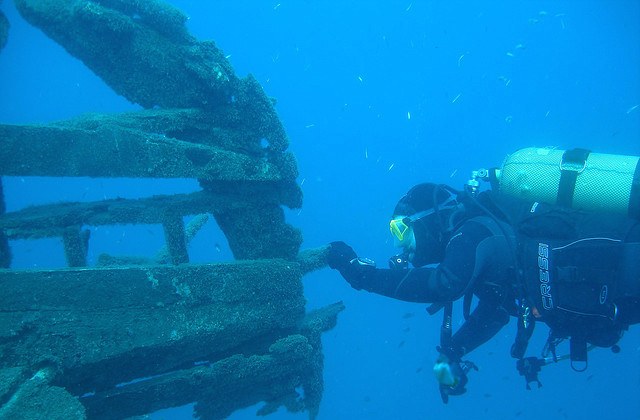
Buceo Algeciras. Fotografía de http-::es.topsportholidays.com:
The Bay of Algeciras and the coastline between Algeciras and Tarifa are home to highly diverse seabeds and an important underwater archaeological heritage. Punta Carnero is one of the best-known areas, although currents can be strong and the dive site should be chosen according to the group’s experience.
Diving within the Strait Natural Park is governed by the zoning rules of the protected area. Some zones require prior authorisation, so the dive centre organising the trip must check the current requirements and comply with all access, navigation and anchoring restrictions.
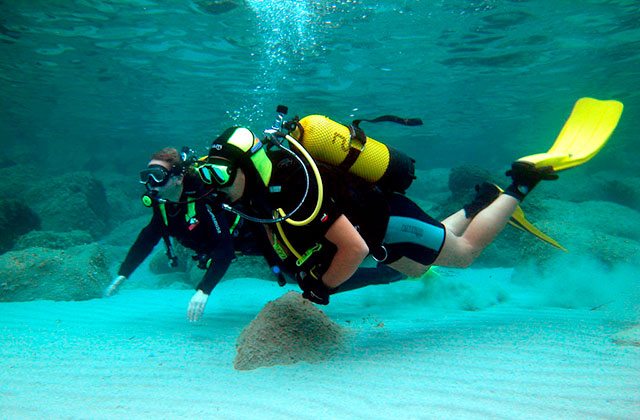
Bucear en Huelva – credito: www.uhu.es
The coastline of Huelva also has plenty of surprises beneath the surface, although visibility and the availability of boat trips can vary depending on the tides, sediment and sea conditions.
One of the known dive sites near El Rompido is Piedra Dorada, a rocky seabed located offshore and reached by boat. Before planning the activity, ask a local dive centre which sites are currently accessible, where the trips depart from and what level of experience is required.
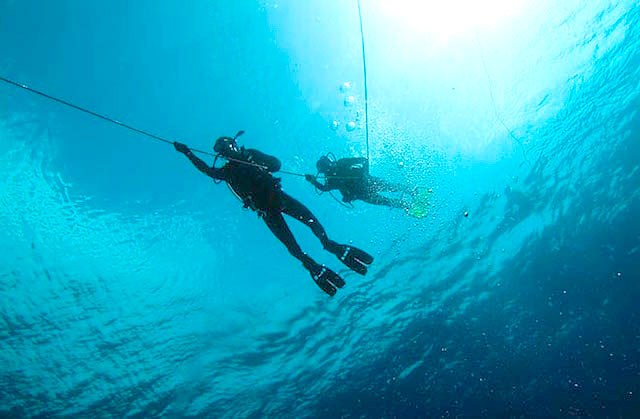
Bucear en Marbella. crédito: www.planb.es
In Marbella, Las Bóvedas, also known as Placer de las Bóvedas, is an underwater seamount located around five kilometres off the coast. Its dive profiles range from approximately 17 to 32 metres, with canyons, walls and striking rock formations.
Currents can be strong, so this dive requires an advanced certification or equivalent qualification, as well as suitable experience. The site is reached by boat, and the trip should be organised through a centre that can assess the conditions on the day.
Dive centres in Estepona also organise trips to sites in the bay and along the nearby coastline. Local professionals can confirm which sites are accessible, the departure point and the level required for each activity.
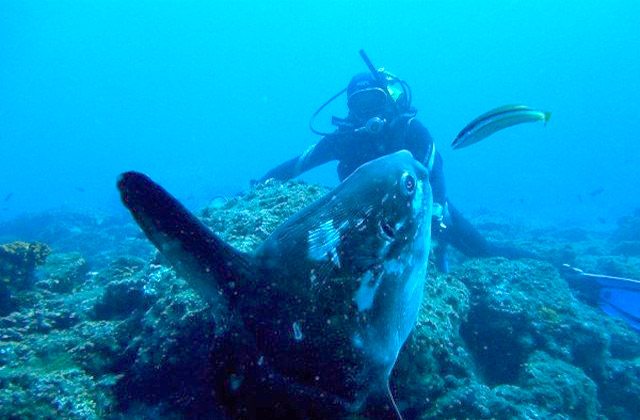
Bucear en La Herradura – crédito: www.tripanddive.com
La Herradura and Marina del Este are home to some of the best-known diving locations on the Costa Tropical. Ensenada de los Berengueles, beside Marina del Este marina, is a popular choice for less experienced divers and for snorkelling.
The waters around Punta de la Mona feature seabeds, walls and rock formations of considerable ecological value. Diving activities within this Special Area of Conservation are regulated. Depending on the access point, the size of the group and whether a support boat is used, prior notification or authorisation may be required. Always check the current procedure before arranging a dive.
Cantarriján forms part of the Acantilados de Maro-Cerro Gordo Natural Area. During the summer, access by private vehicle is usually restricted and a shuttle service operates from a designated parking area. Timetables should be checked in the official notice published for each season.
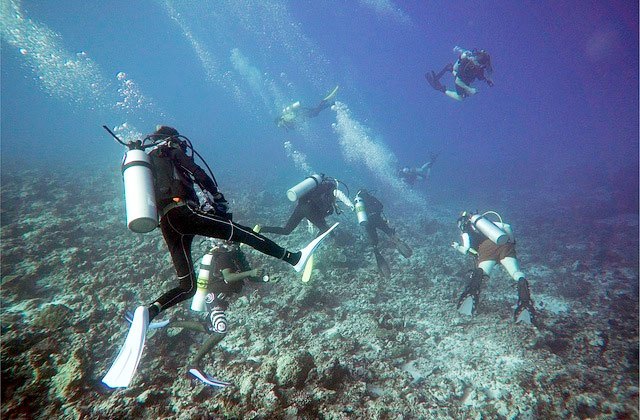
Bucear en Cádiz – crédito: es.topsportholidays.com
The Bay of Cádiz and Sancti Petri are home to an important natural and underwater archaeological heritage. The Sancti Petri channel, the Atlantic-facing coastline and the inner bay contain archaeological sites and shipwrecks from different periods.
As much of the bay is relatively shallow, tides and sediment can cause visibility to vary considerably. Recreational dives take place at specific sites in the outer bay and along the nearby coastline. It is advisable to book through a local dive centre that can confirm the location, departure port and conditions on the day.
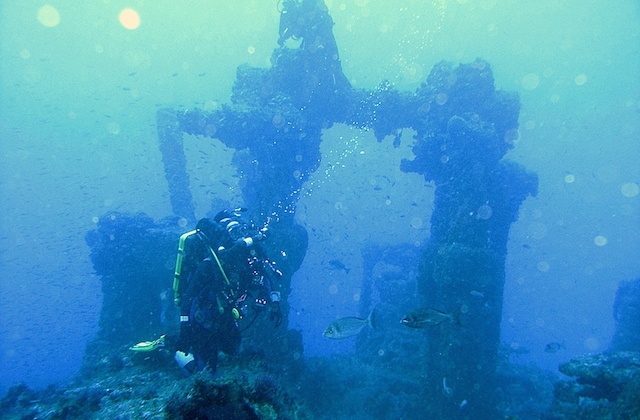
Buceo en Tarifa. Fotografia de www.sitiosdondebucear.com
Tarifa and Isla de Tarifa, also known as Isla de las Palomas, form one of the Strait’s leading diving areas. The meeting of Atlantic and Mediterranean waters supports an exceptional variety of marine life.
Kelp forests and species typically found around rocky seabeds, including groupers, moray eels and octopuses, can be seen in these waters. Loggerhead turtles are also present in the natural park, although sightings cannot be guaranteed.
Currents can be challenging, and conditions change with the easterly Levante and westerly Poniente winds. The dive site should therefore be selected according to the group’s experience and the assessment of the centre responsible for the trip. Some zones require prior authorisation because they lie within the Strait Natural Park.
What are the best beaches in Andalucia?
15 of the best surfing beaches under the andalusian sun
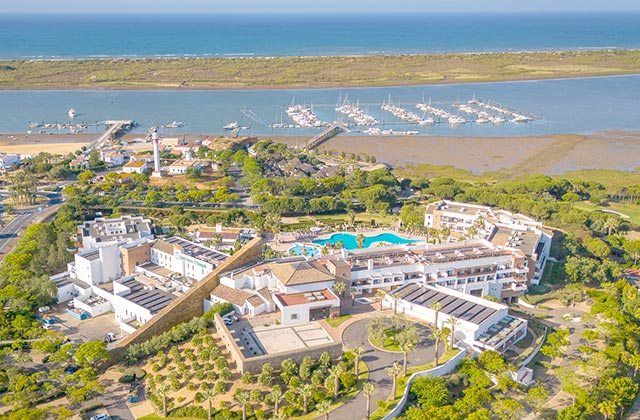
Hotel Fuerte El Rompido
The Hotel Fuerte El Rompido is one of the most beautiful hotels in Costa de la Luz for its spectacular location on a hill that dominates the natural setting of Río Piedras. To this we must add an aesthetic Andalucian architecture that harmonizes with its surroundings. An ideal place to rest and to practice sports surrounded by nature. A 14-kilometre pristine beach which is accessed by boat is one of the best experiences for the guests of this hotel.






I love scuba diving not only for the adventure, but also for the wonderful and unique things you get to see below the water surface. In the past years I’ve taken a lot of interesting and amazing pictures which I like to store in the https://dive.site logbook, along with all my diving logs.
good site and posts