The most elegant street markets in the Costa del Sol


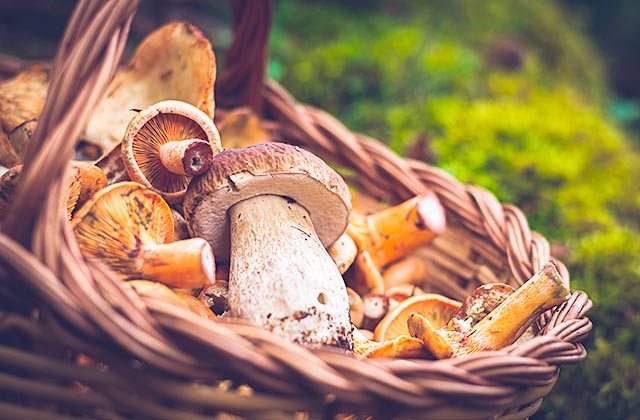
The art of collecting wild mushrooms and learning their types, characteristics and most importantly: knowing which ones are or are not suitable for human consumption, has a name and surname: mycotourism.
The mushroom is a food with a powerful flavour, healthy and very present in our most autumnal menus.
When this season arrives, temperatures drop and the first autumn rains appear, our fields are flooded with mushrooms and many spend whole days searching for the tastiest ones. Mycological tourism has been a practice that has been in place for many years, however, there are more mycological routes set up and centres that offer training on mushroom picking in a sustainable way and respecting the natural heritage.
Mycology is a form of leisure where you can enjoy nature, play sports and also collect the best mushrooms in Andalucia and thus be able to taste this precious autumn delicacy.
Andalucia particularly offers mycology lovers a number of places and havens where they can marvel at the surroundings and enjoy this activity. Here we tell you about some of the best places where mycology roads open up to be visited individually or in groups, while information centres also open to the public to provide specific information, finding out which mushrooms to collect.
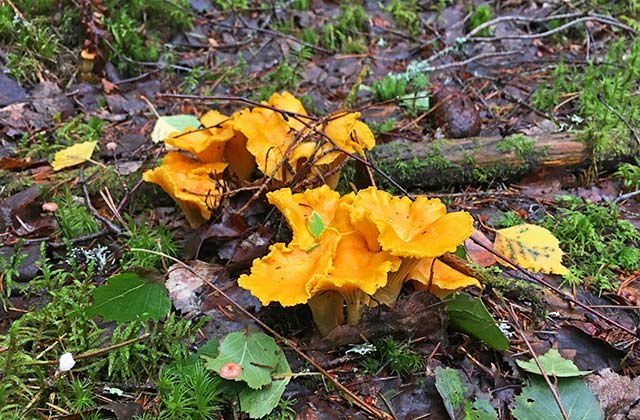
Jimena de la Frontera, in the heart of Parque de Los Alcornocales, is the nearest city to Jerez where the mushrooms become the ‘queen’ of the field. The humidity typical of this time and the mild temperatures in the forests foster the conditions for mushrooms to appear at the right
time. In this area, it is very common to find chanterelles (Cantharellus pales), typical of cork and oak forests. This yellow and twisted mushroom is appreciated for its good taste.
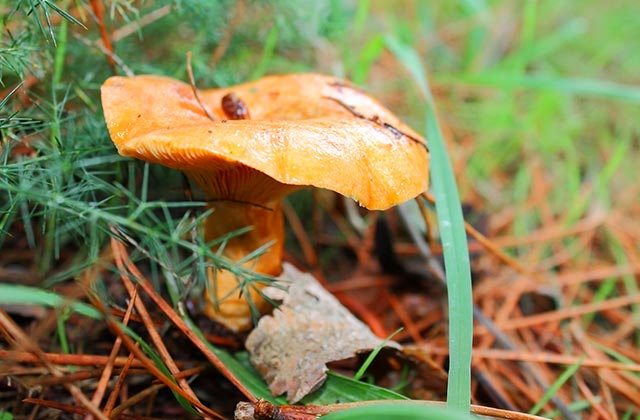
It is advisable to bring water and a snack to walk the route at our own pace. The route runs through the largest area of existing Stone Pine in the province of Seville, which is dotted with a few oaks, olive trees and thick bushes of mastic, rockrose, rosemary and myrtle. The road is easy but it is not marked, so it is important to pay attention to the control points if we don’t want to get lost. It is advisable to have a mobile phone or a GPS with us. In this area, it is very unusual to find many mushrooms, including Suillus luteus, Macrolepiota, Amanitas, Lycoperdom … and the most appreciated being “Lactarius delicious” or as they say here in Aznalcázar, ‘El Robellón’.
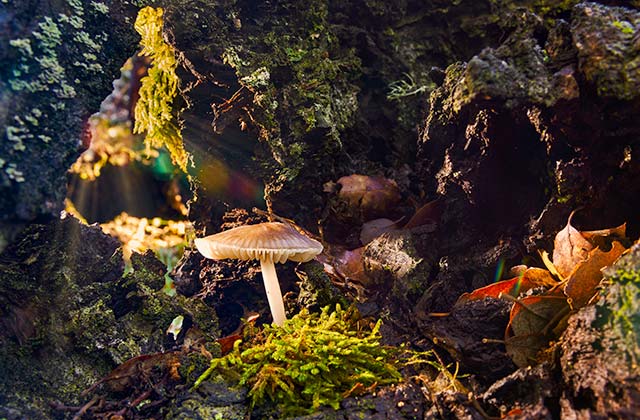
The most special area in Sierra de las Nieves as far as botany is concerned, is undoubtedly the Pinsapar. This forest of fir is one of the best sites to find mushrooms, even typical species from colder climates, and whose northern aspect surprises the visitor who enters this Natural Park.
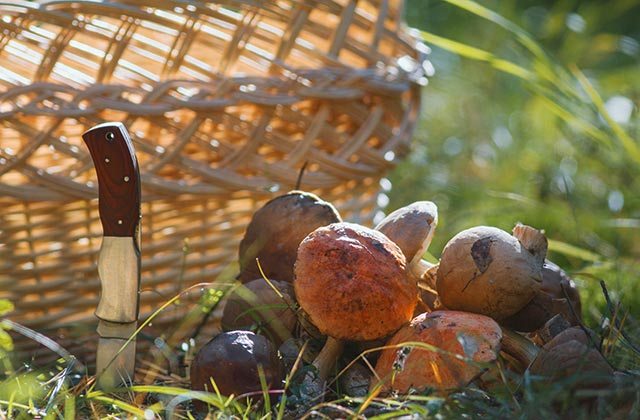
If spring is rainy, we can look for mushrooms such as Russula rubroalba, of purplish colour and very well appreciated although rare, or the Gyromitra esculenta. But now it is autumn, and we want to pick mushrooms taking our own mycological routes in Sierra de las Nieves, so we must remember to take a knife to cut the stem without damaging it and a basket to drop the spores along the way and good boots to walk. When we are ready we start exploring the countryside and forests to find boletus and other mushrooms each associated with a particular species of trees. Due to its climate, Sierra de las Nieves Natural Park also allows us to find other varieties of mushrooms such as Mazuelos. They are so rare that we advise you not to collect them, to encourage their propagation.
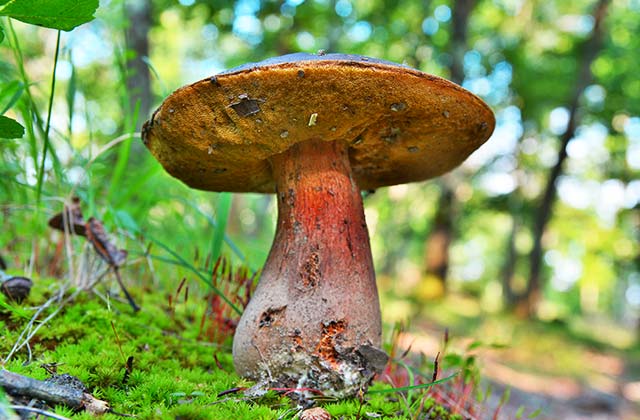
This is one of the most diverse places in Spain, where its oak groves begin to bear fruit in the form of mushrooms, which becomes a real show. In spring, we can find the typical Gurumelo (Amanita ponderosa) and Criadillas (Terfazias sp.). In the first months of autumn, we find Boletus aereus and the Chanterelles (Cantharellus cibarius). And when winter starts, if it has been a rainy year, we can find Horn of plenty (Craterellus cornucopioides) or Gula de Monte (Cantharellus tubaeformis).
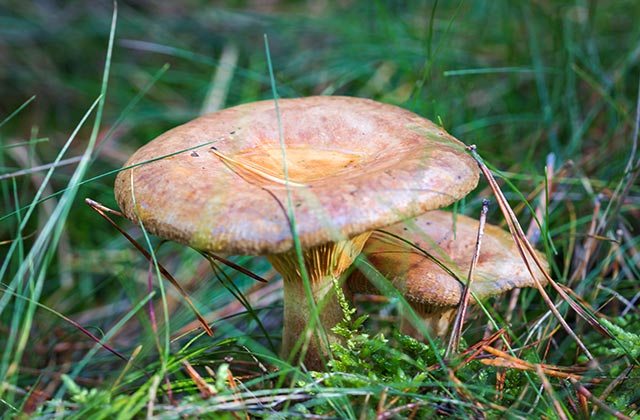
From the neighbourhood of Santa Maria de Trassierra -in the municipality of Córdoba, capital – to any of the towns in the area, also pine trees grow among the local vegetation. Under these pines we can find wild mushrooms (Lactarius deliciossus), of typical orange colour, standing out among the fallen leaves.
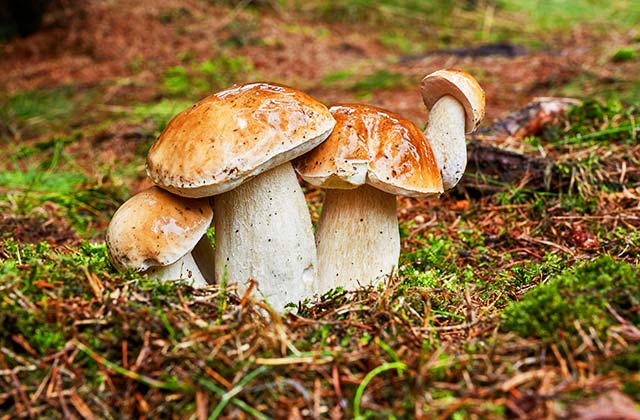
In this natural area (sierras de Alhama, Tejeda y Almijara) between two Andalucian provinces, the moisture it gets from its location and the fresh layer of decaying leaves facilitates the existence of curious mushrooms such as Coprinus comatus, several species of Amanita and various types of boletus, some as precious as edulis .
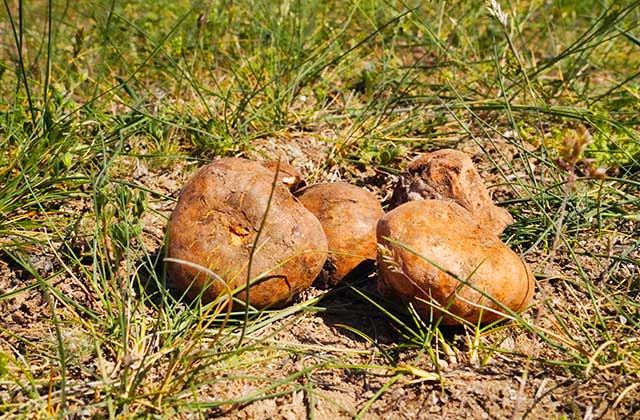
The “star” of the mushrooms in the Andévalo region of Huelva is the White tuber (Tuber magnatum), a very rare species which cannot be grown and can only stay fresh for a few days. In spring we can also find the gurumelo (Amanita ponderosa), endemic to the central and western area of the Iberian Peninsula.
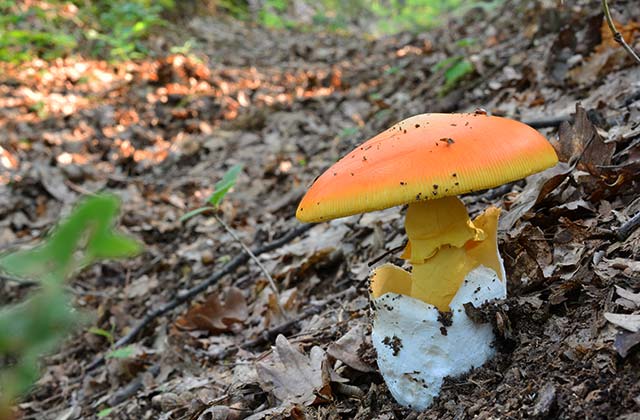
In the Serranía de Ronda, we can walk through forests of Spanish fir (Abies pinsapo), peculiar spruce which took refuge in the Andalucian mountains after the last glaciation. In this forest we will spot Caesar’s mushrooms (Amanita Caesarea) and in spring the morels (Morchella crassipes), easily recognizable by their crosslinked look reminiscent of a honeycomb.
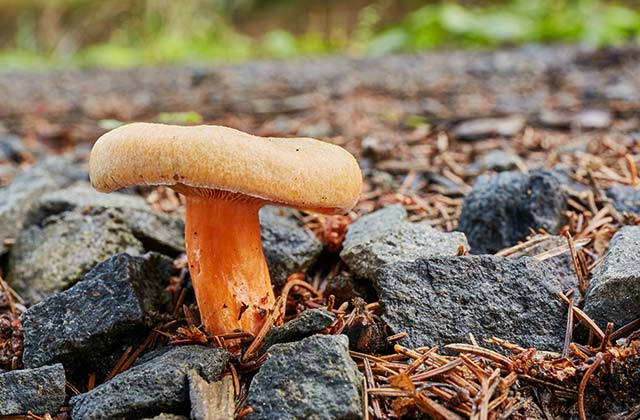
Of course, if you’re a lover of nature and mycology, you cannot miss a visit to the Natural Park of the Sierra de Cazorla, Segura and Las Villas, a protected space in which we will need permission, but a paradise for fans to pick mushrooms. From the popular chanterelles to the highly valued black truffle, several species in the area that will look beautiful on a plate.
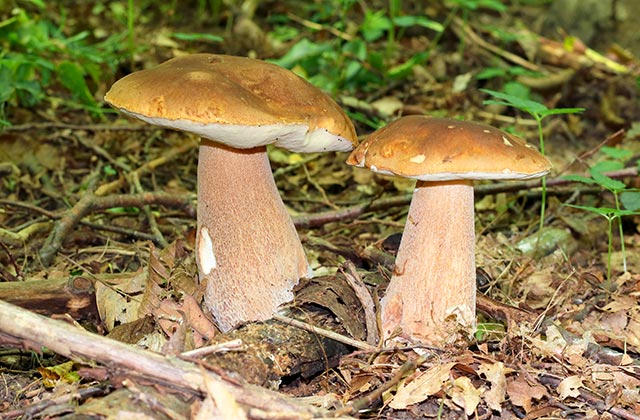
Sierra de Montoro in Córdoba is an ideal space where mushrooms are born every autumn. It is one of the privileged places in this province where the inhabitants of the surrounding municipalities go in search of this culinary delicacy.
This Sierra, which is on the border with Jaén, is characterized by having a specific species, the faisán de jara (Leccinum corsicum), which is considered one of the most precious in the world of mushrooms.
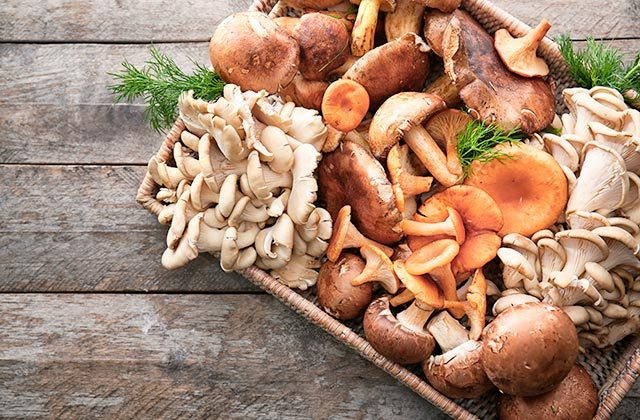
Seville has natural areas where more than 50 types of mushrooms are raised. Specifically, the Sierra Norte is the ideal place due to its humid and shady conditions that favour the appearance of this culinary treasure.
The “josefitas” or what is the same: amanitas, boletus, poplars, wild mushrooms, chanterelles, chanterelles or blue foot mushrooms, are some of the varieties of mushroom species that we can find in these forests.
This place is undoubtedly one of the recognizable natural environments in Seville where you can go mushroom hunting and where activities and conferences are also organized to enjoy mycological tourism.
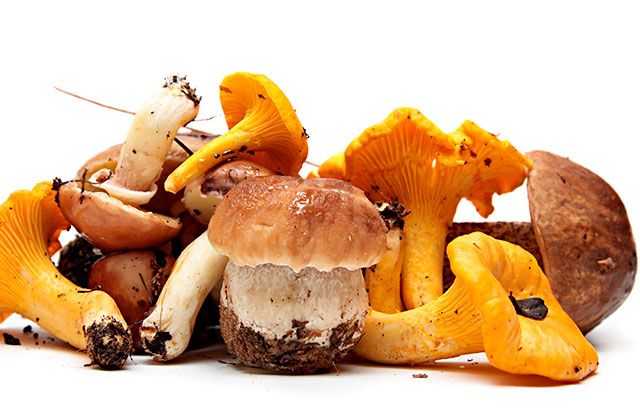
Wild mushrooms are a delicacy for the palate, as well as being part of great recipes and culinary preparations that great chefs have incorporated into their most exquisite menus.
But in addition to having that peculiar taste, mushrooms have great benefits that are of great interest.
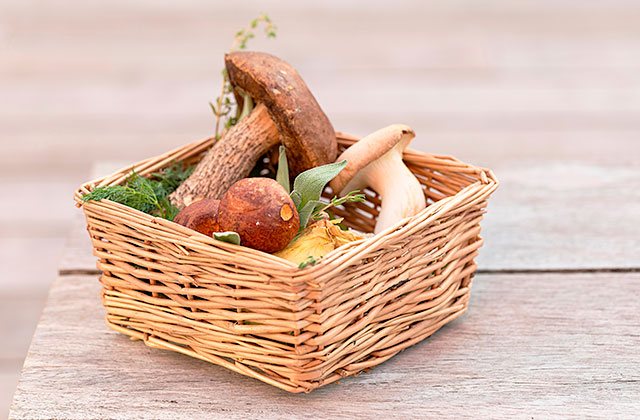
Finding this product throughout the year is not an easy task, since the weather conditions are essential for the natural growth of mushrooms. For this reason, although we can consume them practically throughout the year, the autumn season is the time par excellence in which we can find them more easily.
The mushroom needs a humid environment, so when it starts to rain, in the months of October and November, it is when the necessary conditions are met for the first wild mushrooms to appear.
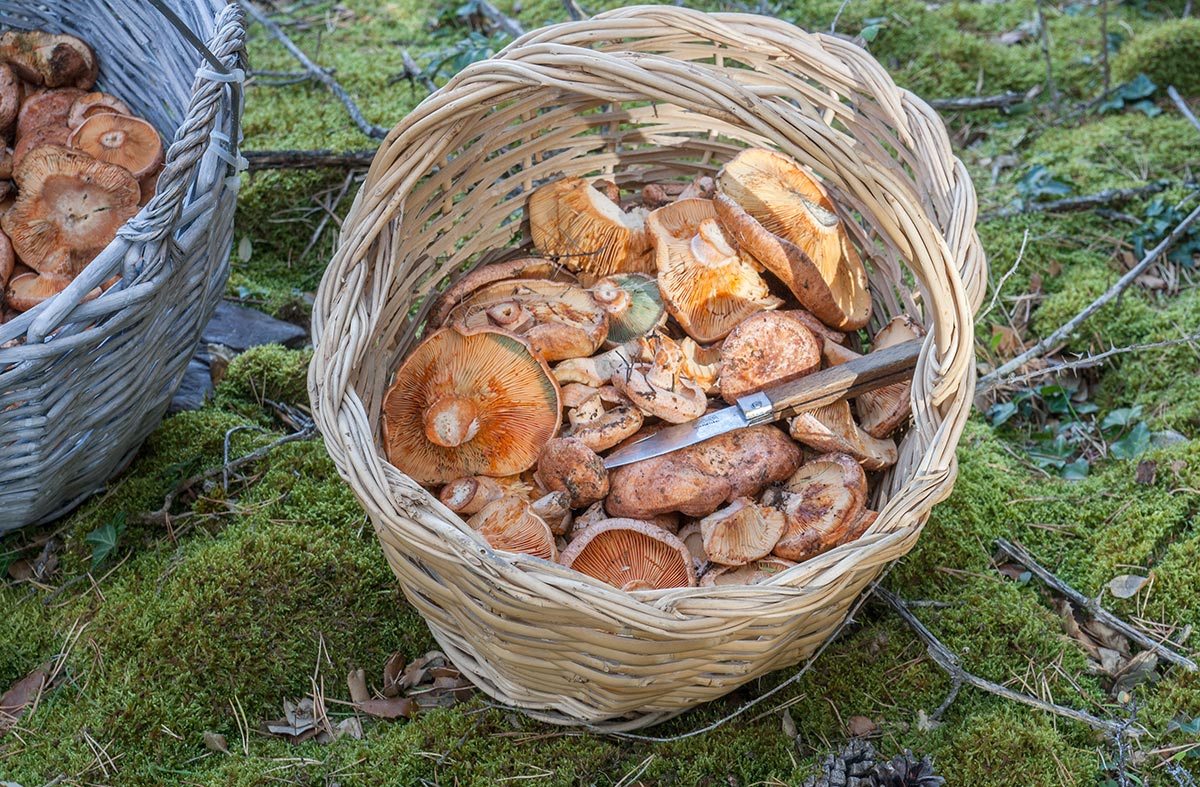
The growing popularity of mushroom foraging in Andalucia offers a wonderful opportunity to connect with nature, but it also carries a great responsibility towards the ecosystems we visit. Picking mushrooms sustainably means respecting the rhythm of the forest: cutting them at the base instead of pulling them out and leaving untouched those that are unknown or in poor condition. In this way, we help to preserve the mycelium—the underground part of the fungus—and ensure that the woodland remains fertile for future seasons.
Practising responsible mycotourism also involves being aware of local regulations, as some areas require permits or set collection limits. It’s equally important to avoid leaving litter, stick to marked trails and use wicker baskets that allow spores to spread naturally as you walk. With these small gestures, enthusiasts can enjoy a safe experience while helping to conserve Andalucia’s natural heritage, ensuring that future visitors can also delight in its forests and mushroom trails.
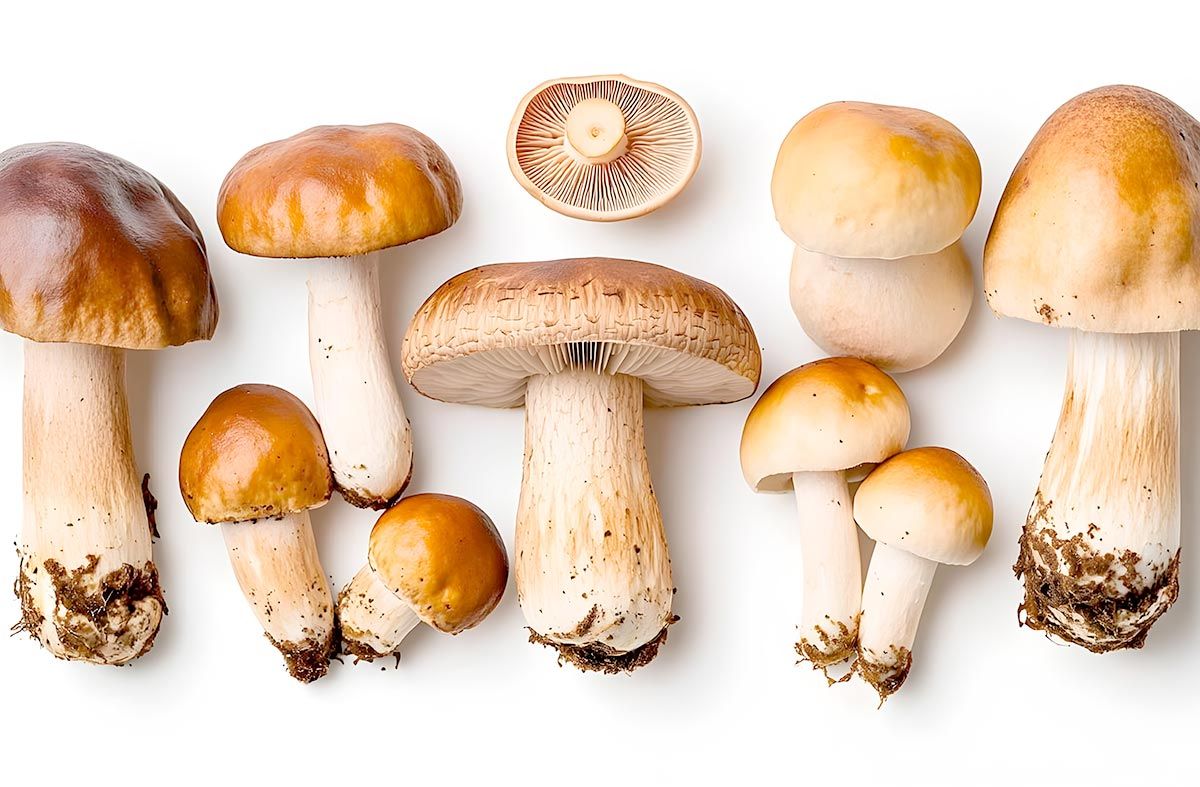
Before heading out to pick mushrooms on your own, it’s essential to gain a basic understanding of how to identify different species and appreciate their environment. It’s not just about knowing which mushrooms are edible or poisonous—some even deadly—but also learning how to harvest them responsibly without harming the forest or disturbing its delicate balance.
Below are some essential tips for those taking their first steps into the fascinating world of mycology:
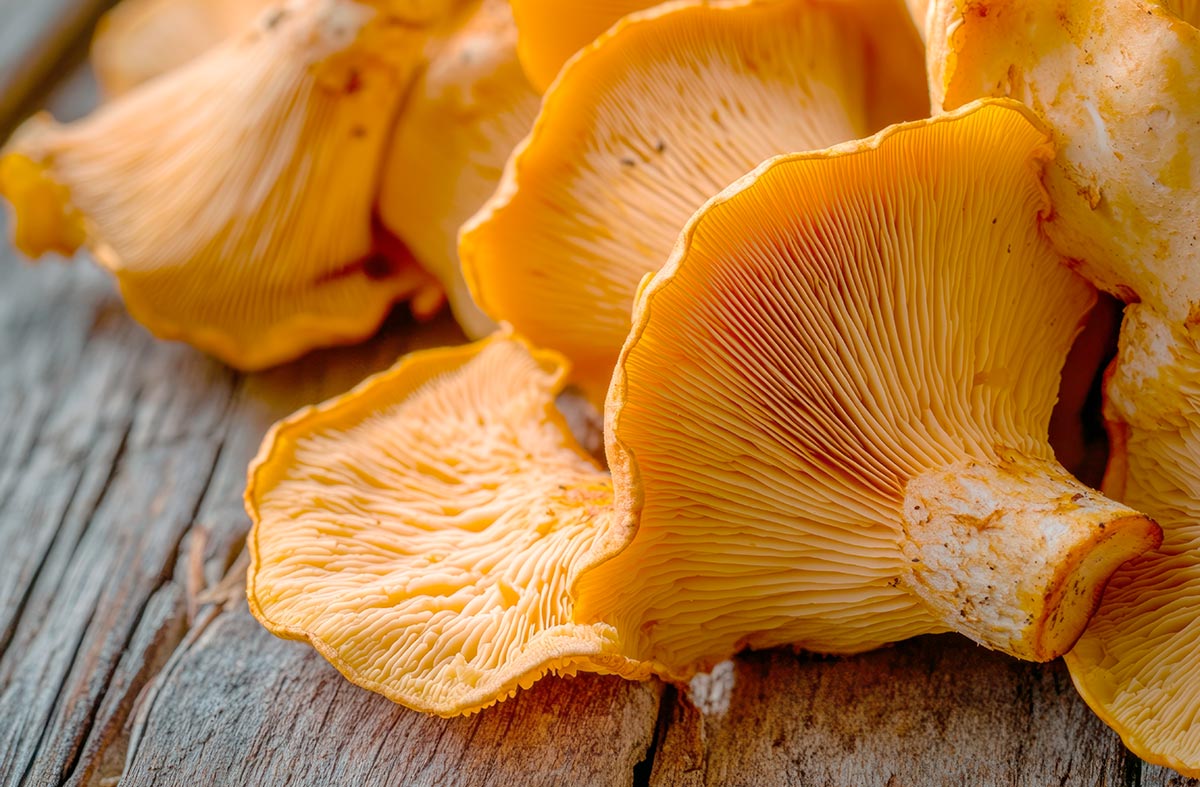
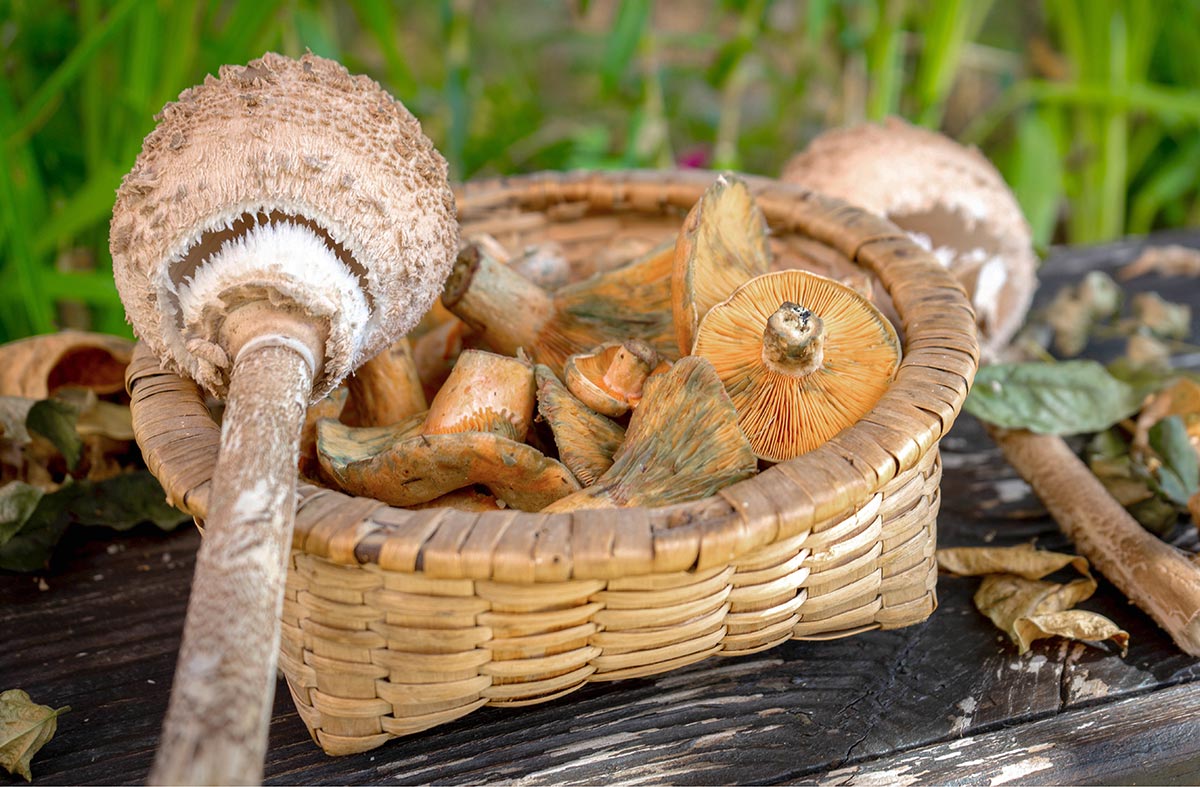
Mushroom picking isn’t only about the delicious dishes that follow, it’s also a healthy, enriching activity that invites you to explore the natural world. Wandering through Andalucia’s forests, admiring the autumn colours and discovering the diversity of fungi they shelter is an experience that blends learning, wellbeing and respect for nature. Whether alone or in good company, mycotourism can be one of the most rewarding ways to connect with the Andalucian landscape.
Mycology: For Mushroom Collectors, Don’t Forget These 10 Tips

Hotel Fuerte Grazalema
Fuerte Hoteles is always the best option to stay in Andalucia, visit its cities and rest. The chain has places where you can, in addition to its services, enjoy the best of each part of the region. With more than 60 years’ experience, Fuerte Hoteles is the best starting point of your perfect trip or journey.